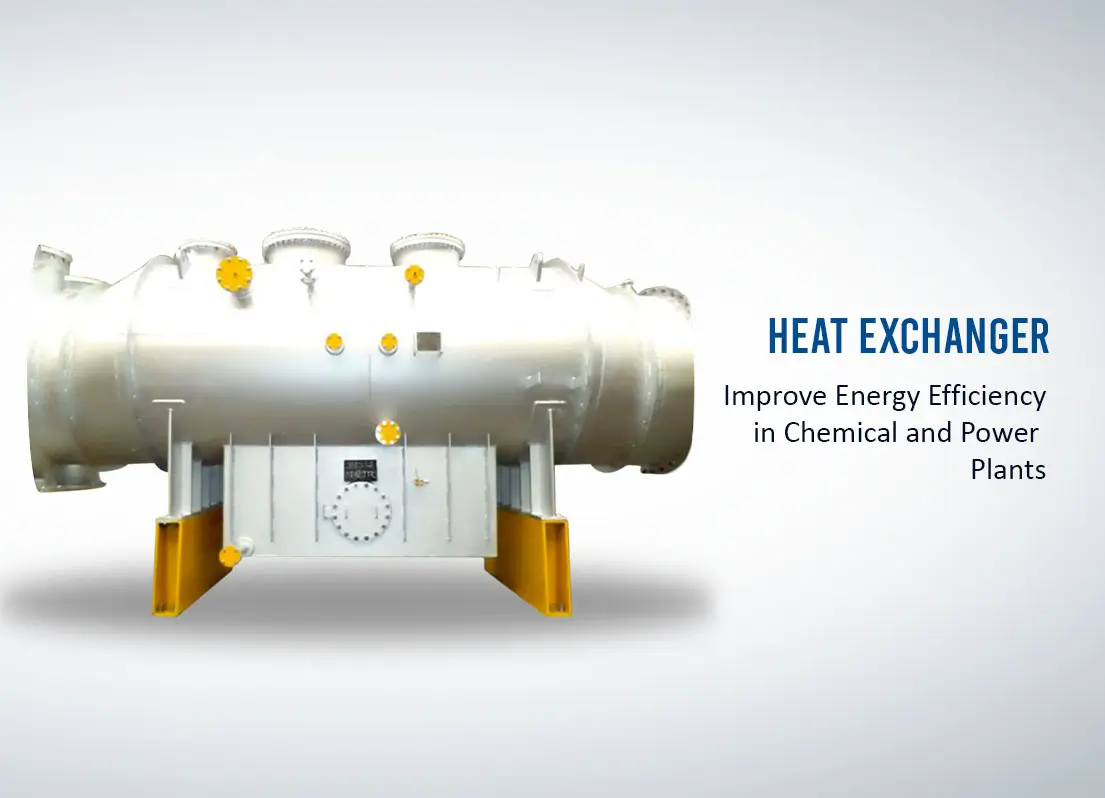
In the contemporary fast-paced industrial scenario, energy efficiency is no longer a choice. It is now a necessity for lowering operational costs, improving sustainability, and ensuring long-term performance. Industrial heat exchangers are one of the most powerful yet often overlooked tools that help industries achieve this. These systems quietly handle temperature control, reduce waste energy, and support stable production even in highly demanding environments. Further, in this blog, you will gain insights on how heat exchangers work, why they matter, and how chemical and power plants benefit from them every single day. Want to know what comes next? Keep reading!
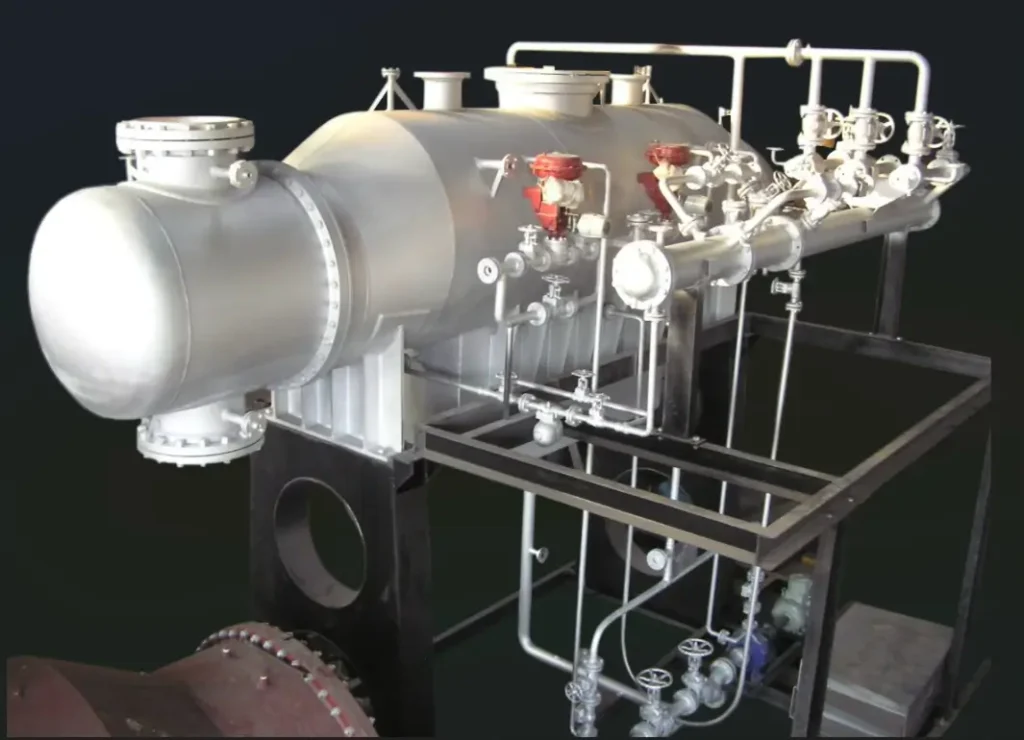
Understanding the Importance of Heat Exchangers
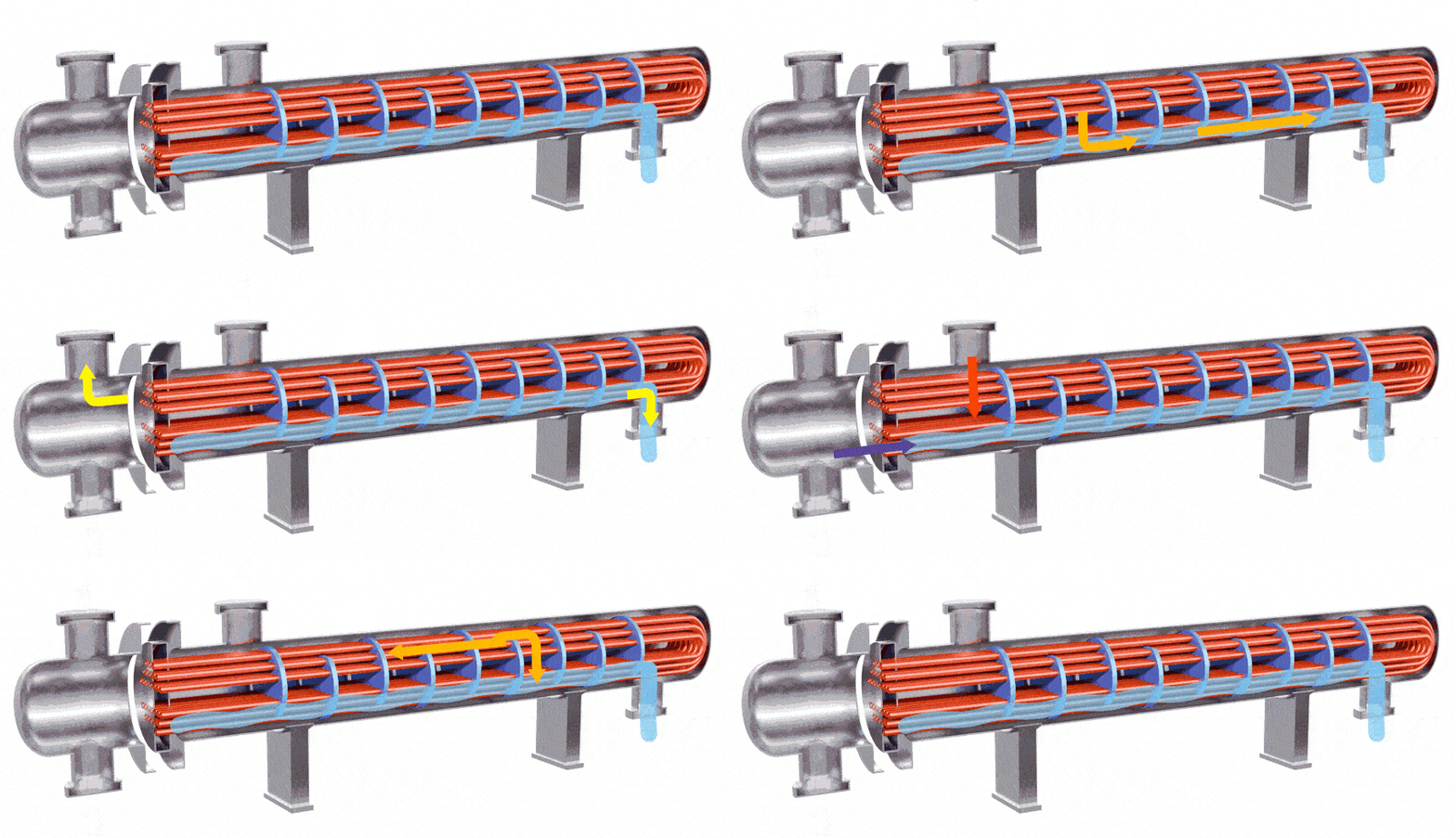
There is a lot of heat generation and transfer in industrial processes. Proper temperature control prevents equipment failure, product quality loss, and skyrocketing energy bills. In such cases, heat exchangers work around these problems by moving heat from one fluid to another without mixing them. This straightforward concept plays a crucial role in maintaining operational stability and recovering lost energy. Chemical and power plants need to be able to control the temperature very precisely. Heat exchangers keep everything in balance by either cooling down hot chemical reactions or keeping the right amount of steam in the system for power generation. With the right design and technology, they make things run more smoothly and use a lot less energy.
How Do Heat Exchangers Boost Energy Efficiency?
One of the best things about heat exchangers for industrial systems is that they save energy. These units catch heat that would otherwise escape into the environment and send it somewhere else to be used again. This lowers the amount of fuel used, the amount of emissions, and the total cost of energy. Heat exchangers in chemical plants help get heat back from exothermic reactions and use it to preheat raw materials or assist in other processes. This means that the plant does not need as much outside energy to keep the right temperatures. The end result is a cleaner, more efficient production cycle that is better for the environment and the budget.
Power plants also rely on heat exchangers a lot to control steam cycles, cool turbines, and get the best performance out of boilers. By recovering heat efficiently, the plant can produce more while wasting less heat. The plant becomes more efficient the more effectively it uses heat.
Enhancing Process Stability and Product Quality
For any industrial plant, stability and consistency are critical. Heat exchangers maintain precise temperatures throughout the production process. This reduces the risk of overheating, contamination, or sudden process interruptions. When temperatures stay controlled, machinery performs better and lasts longer. In chemical plants, product quality often depends on exact reaction conditions. Even small temperature deviations can alter the final output. Heat exchangers ensure reaction vessels stay within safe limits, which enhances both safety and product reliability. Power plants also experience improved stability. Controlled cooling of turbines and condensers helps maintain ideal working conditions, allowing the plant to generate electricity efficiently without unnecessary mechanical stress.
Supporting Sustainability and Lowering Environmental Impacts
As businesses work to be more environmentally friendly, heat exchangers are becoming more and more important for these efforts. Their ability to use less fuel directly helps lower carbon footprints. Using waste heat again cuts down on greenhouse gas emissions and makes us less dependent on energy sources that cannot be replaced. Modern heat exchanger designs also use new materials that make them last longer and need less maintenance. This makes the equipment last longer and need fewer replacements, which is better for the environment.
Why High-Quality Heat Exchangers Matter?
Different heat exchangers work at different levels. Well-designed, high-quality systems make sure that heat moves quickly, maintenance is easy, and they last a long time. Croll uses cutting-edge technology to make industrial heat exchangers that can handle the tough needs of chemical and power plants. Choosing the right heat exchanger for your needs can greatly increase energy efficiency while making sure that operations are safe and stable. Plants can have smoother operations, lower costs, and longer-lasting performance with well-made equipment.
Last Words
Heat exchangers are crucial in the chemical and power industries today. These systems are a key part of smart industrial operations because they make production more stable, use less energy, and have less of an impact on the environment. When you buy high-quality heat exchangers, you’re making an investment in long-term performance, lower costs, and a cleaner future. Take a look at Croll’s selection of heat exchangers today!